
Understanding Precision Die Casting in Malaysia
In today’s competitive manufacturing landscape, precision die casting malaysia has emerged as a vital process for producing high-quality metal components. This technique not only enhances efficiency but also ensures the production of intricate designs that meet strict engineering specifications. With Malaysia becoming a hub for precision die casting, understanding this methodology is key for industries ranging from automotive to electronics.
What is Precision Die Casting?
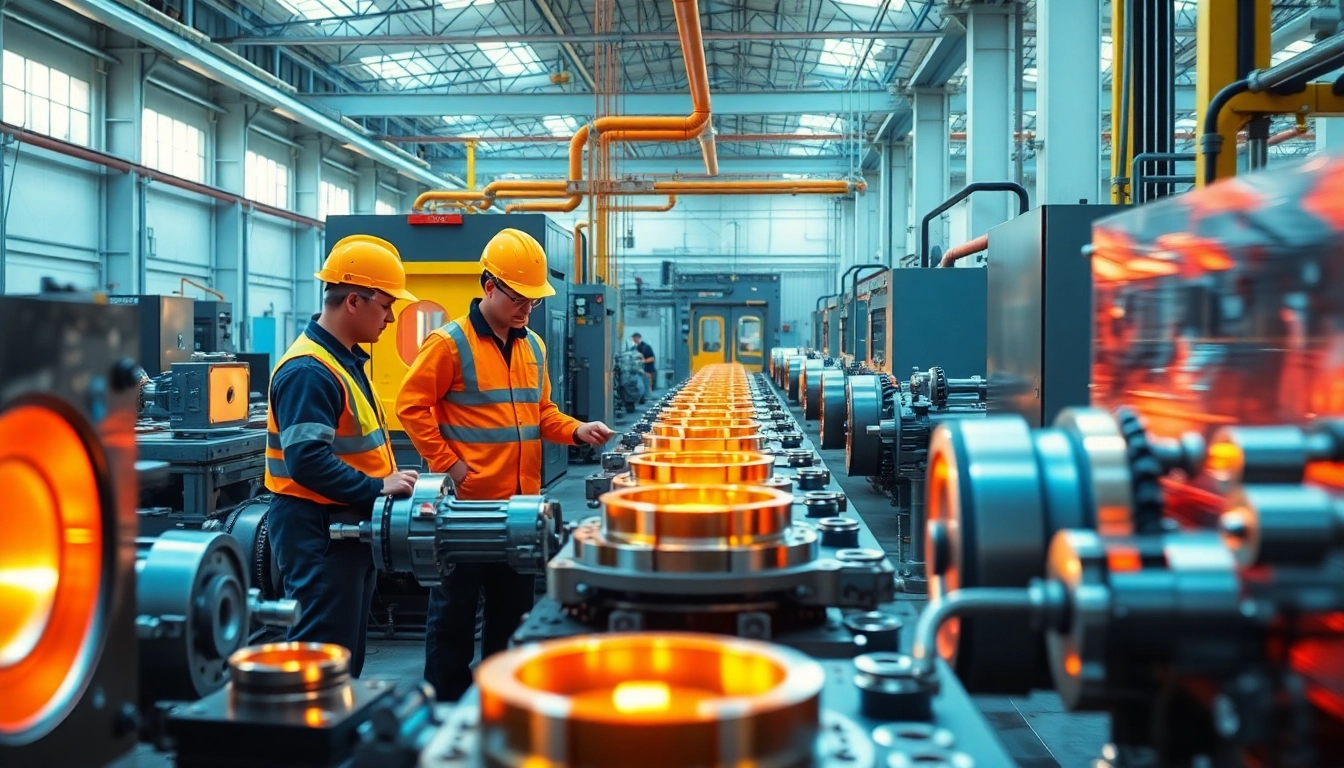
Precision die casting is a manufacturing process that involves injecting molten metal into a mold under high pressure. This method is particularly well-suited for producing complex geometries with fine tolerances. The primary materials used in precision die casting include aluminum, zinc, and magnesium alloys, which offer various advantages in terms of strength, weight, and durability. The production cycle is swift, often allowing for high-volume outputs that reduce the time-to-market for products.
Key Industries Utilizing Die Casting
Several industries benefit from precision die casting, including:
- Automotive: The automotive industry demands high precision for components such as engine parts, transmission housings, and structural components.
- Electronics: Manufacturers of electronic devices require precision parts for housings and brackets to ensure functionality and aesthetic quality.
- Aerospace: The aerospace sector relies on lightweight yet sturdy components that can withstand extreme conditions.
- Medical: Medical device manufacturing often requires precision die casting for intricate components that must meet strict regulatory standards.
Benefits of Precision Die Casting
Precision die casting offers numerous advantages that set it apart from other manufacturing processes:
- High Precision: The ability to produce complex shapes with precise dimensions makes this process ideal for high-performance applications.
- Material Efficiency: Minimal waste is generated compared to traditional machining methods, allowing for cost-effective material usage.
- Durability: The components produced are robust and can endure significant wear and tear, making them suitable for demanding environments.
- Surface Quality: The process yields an excellent surface finish, often reducing or eliminating the need for secondary machining or finishing.
Choosing the Right Die Casting Manufacturer
When selecting a precision die casting manufacturer, it is vital to consider several factors to ensure you partner with a capable provider. The right decision can lead to improved product quality and cost efficiencies.
Criteria for Selecting a Manufacturer
Potential partners should be evaluated based on:
- Experience: Look for manufacturers with a proven track record in your specific industry.
- Technological Capability: Ensure that the manufacturer invests in modern die casting technologies and equipment.
- Quality Assurance: A robust quality control system is essential for meeting and maintaining production standards.
- Customer Reviews: Investigate feedback and testimonials from past clients to gauge reliability and service quality.
Evaluating Manufacturer Capabilities
It’s essential to assess the capabilities of a die casting manufacturer thoroughly. This includes examining their:
- Machinery: Ensure they possess advanced die casting machines capable of handling your required specifications.
- In-House Testing: Check if they conduct rigorous testing of their products to ascertain quality and performance.
- Technical Support: A manufacturer with strong technical support can facilitate smoother project execution.
Importance of Certifications in Die Casting
Certifications serve as indicators of a manufacturer’s commitment to quality and industry standards, such as ISO 9001 and ISO 14001. These certifications ensure that the manufacturer adheres to best practices in quality management and environmental responsibility, which significantly impacts the reliability of your products.
Common Challenges in Precision Die Casting
Despite the advantages, manufacturers may face common challenges in the precision die casting process that require careful management and innovative solutions.
Addressing Design Challenges
Design complexities can lead to issues in the die casting process. It’s crucial to collaborate closely with design engineers early in the product development phase to anticipate potential problems, such as:
- Flow Issues: Ensure that the design allows for proper flow of molten metal to avoid air traps and incomplete castings.
- Cooling Rates: The design must account for cooling rates to prevent warping or dimensional inaccuracies.
Quality Control Issues in Die Casting
Quality control is paramount in precision die casting. Issues may arise from variations in alloy composition, temperature fluctuations, and other environmental factors. Implementing stringent quality control measures helps identify and mitigate these issues before they affect production.
Cost Management Strategies
Managing costs in precision die casting involves looking at material selection, waste reduction strategies, and optimizing production processes. Utilizing advanced technologies, such as simulation software, can predict and solve problems in the design phase, leading to more efficient use of resources.
Best Practices for Precision Die Casting
To maximize the benefits of precision die casting, manufacturers should adhere to best practices that enhance both quality and efficiency.
Optimizing the Die Design Process
A well-designed die is crucial for achieving optimal results. Implementing iterative design processes and advanced simulation tools can help refine die designs to prevent common issues related to flow, filling, and cooling.
Improving Material Selection
Selecting the appropriate materials is critical to achieving desired performance characteristics. Working with suppliers who understand the application-specific requirements can lead to better material choices, enhancing the final product’s durability and performance.
Implementing Quality Assurance Protocols
Establishing robust quality assurance protocols throughout the die casting process is essential. Incorporating statistical process control (SPC) techniques helps monitor production variables and maintain high standards.
Future Trends in Precision Die Casting (2025 and Beyond)
The die casting industry is rapidly evolving, with several trends anticipated to shape its future landscape.
Technological Innovations Impacting Die Casting
Emerging technologies, such as automation, artificial intelligence, and advanced materials, promise to enhance precision die casting processes. These innovations can lead to reduced cycle times, improved accuracy, and lower production costs.
Sustainability Practices in Die Casting
With increasing emphasis on sustainability, the industry is likely to see a growing trend toward environmentally friendly practices. This includes adopting recycling methodologies, reducing energy consumption, and utilizing sustainable materials in the die casting process.
Market Forecast and Growth Opportunities
As industries continue to demand high-quality precision components, the die casting market is expected to witness significant growth. Opportunities in emerging markets and advancements in production technology will drive this upward trend, making precision die casting a cornerstone of manufacturing in the coming years.