

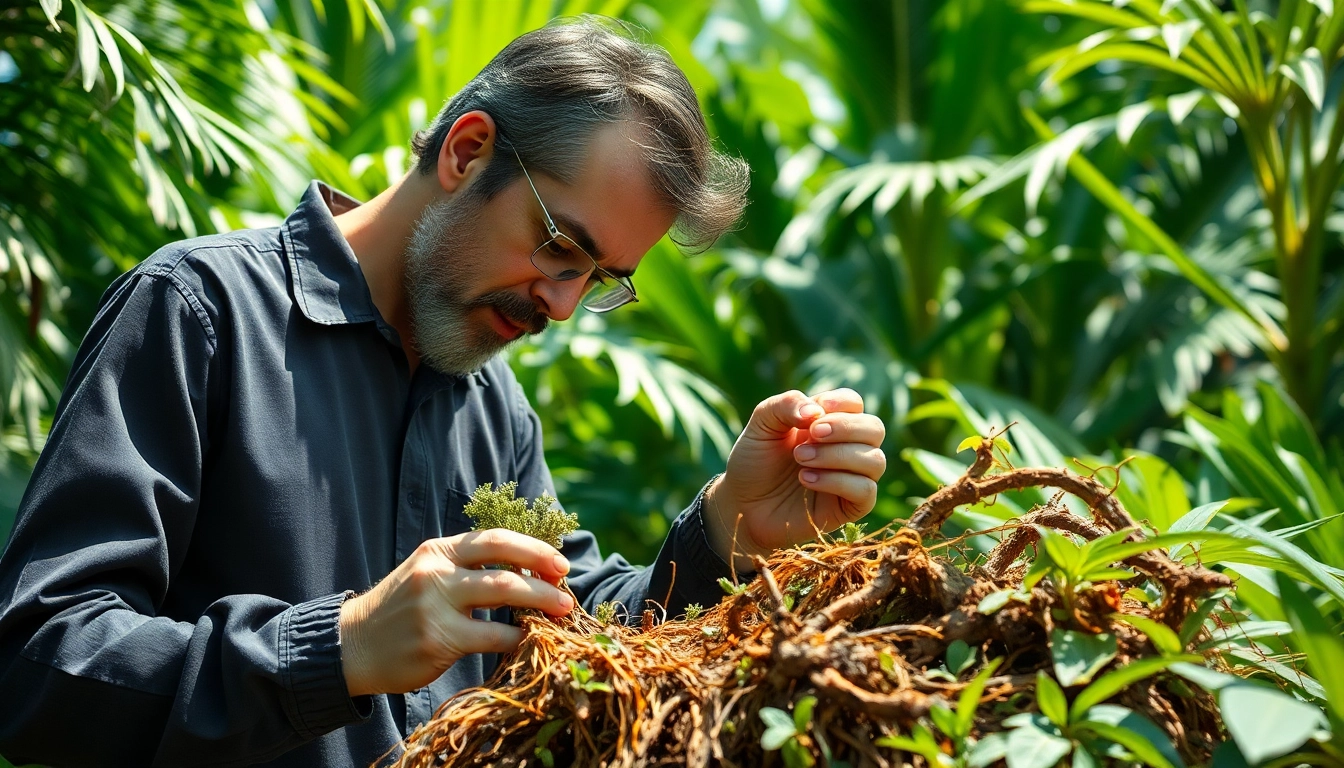
Introduction to DMT and Its Natural Sources
N,N-Dimethyltryptamine (commonly known as DMT) is a powerful and naturally occurring psychedelic compound found in various plants and animals. Known for inducing intense visual and auditory hallucinations, it has garnered interest in both the philosophical and scientific communities. This article explores the question of how to get dmt, discussing its natural sources, the methods of extraction, legal considerations, and potential applications in holistic medicine.
What is DMT?
DMT is a tryptamine compound that acts as a potent hallucinogen when ingested. It produces an altered state of consciousness characterized by vivid imagery and profound changes in perception, often leading to experiences described as mystical or transcendental. DMT is unique in that it can be produced endogenously in the human body and is theorized to play a role in dream states and near-death experiences.
Natural Plants Containing DMT
Several plant species contain DMT, making them significant in various indigenous cultures, particularly in South America where it has been traditionally used in shamanistic rituals. Some of the most notable plants include:
- Mimosa hostilis: This plant’s root bark is a primary source for DMT extraction. It is widely recognized for its use in making Ayahuasca, a psychoactive brew.
- Psychoactive plants: Other plants, such as Psychotria viridis and Diplopterys cabrerana, also contain DMT and are used in traditional medicine and spiritual contexts.
- Cacti: Certain cacti, like the Peruvian torch, have been reported to contain DMT, although in lower concentrations compared to other sources.
Potential Benefits and Effects
The effects of DMT are intensely transformative, often leading users to profound insights about consciousness and existence. Some reported benefits include:
- Spiritual healing: Many individuals use DMT for spiritual purposes, reporting feelings of connection to the universe or divine experiences.
- Therapeutic insights: Preliminary studies suggest that DMT may aid in addressing mental health issues such as depression and PTSD by promoting introspection.
- Visionary experiences: Users often report vivid visual hallucinations and thematic narratives, often described as life-altering.
How to Get DMT: Legal and Safe Considerations
The pursuit of DMT raises essential legal and safety considerations that potential users must navigate. Ensuring knowledge about the legal status of DMT and practices for safe exploration is crucial.
Legal Status of DMT in Various Regions
The legal status of DMT varies considerably by jurisdiction. In many countries, including the United States, DMT is classified as a Schedule I controlled substance, meaning it is illegal to manufacture, distribute, or possess it. However, some countries permit its use in traditional settings, providing a legal window for those seeking spiritual experiences. It is essential for individuals to familiarize themselves with local laws regarding DMT use to avoid legal repercussions.
Risks Associated with Illicit Extraction
While some may pursue DMT through illicit extraction methods, significant risks exist. These include:
- Legal risks: Engaging in illegal activities can lead to criminal charges and severe penalties.
- Health risks: Uncontrolled extraction can result in impure substances that may cause harmful effects.
- Mental health concerns: The intense experiences induced by DMT can exacerbate underlying psychological conditions, leading to adverse reactions.
Choosing Safe Practices for Exploration
For individuals interested in exploring DMT, prioritizing safety and legality is paramount. Consider the following methods:
- Research: Understand the composition, effects, and legal considerations of DMT before attempting to obtain or use it.
- Seek professional guidance: Engaging with experienced practitioners in settings that respect the spiritual and cultural significance of DMT can enhance safety.
- Community resources: Utilize local support circles or organizations dedicated to safe psychedelic exploration.
Methods for Extracting DMT from Plants
In regions where DMT is legal or culturally accepted, individuals may seek to extract DMT from natural sources. Below, we explore some fundamental extraction methods and necessary precautions.
Basic Extraction Techniques Overview
The extraction of DMT from plants often involves chemical processes designed to isolate the compound. The two primary methods are:
- Acid-base extraction: This method utilizes acid and base solvents to separate DMT from plant material effectively. It generally includes steps like drying, powdering, and adding solvents to maximize yield.
- Cold extraction: A simpler process where the plant material is soaked in a solvent to leach out DMT over time, typically requiring less equipment and safety measures.
Common Plants for DMT Extraction
The most recommended plants for DMT extraction carry specific compounds ideal for isolation. These include:
- Mimosa hostilis: As mentioned earlier, this root bark is particularly favored for its high DMT concentration.
- Psychotria viridis: Traditionally used in Ayahuasca preparations, this plant offers a contextually rich setting for DMT use.
Safety Precautions During the Process
Extraction processes carry inherent risks. Users should take precautions to secure their health and safety:
- Use proper equipment: Ensure that all tools and materials used for extraction are made from non-reactive, high-quality materials.
- Conduct in a safe environment: Work in a controlled and safe space free from external disturbances or hazards.
- Caution with chemicals: Always wear protective gear, including gloves and masks, when handling chemicals involved in the extraction process.
Uses of DMT in Alternative Medicine
Beyond recreational use, DMT holds potential in alternative medicine, embracing both spiritual and therapeutic dimensions.
Spiritual and Therapeutic Applications
Various cultures have utilized DMT for spiritual awakening and healing. Some contemporary practitioners report success in treating conditions like anxiety and addiction through controlled, therapeutic DMT experiences. Furthermore, users frequently claim profound spiritual insights linked to their use of the substance.
Comparing Traditional and Modern Uses
Historically, DMT has been administered under the guidance of experienced shamans, often in ceremonial environments. In contrast, modern approaches may emphasize clinical settings and a more scientific understanding of the compound’s effects. Aligning traditional wisdom with modern therapeutic frameworks can enhance the receptivity and efficacy of DMT experiences.
Research and Studies on DMT
Scientific interest in DMT is on the rise, with various studies exploring its effects on psychological wellbeing, spiritual experiences, and the physiological processes involved in altered states of consciousness. Notably, current research examines its potential role in psychotherapy, particularly in treating depression and PTSD, showcasing how ancient knowledge can inform modern medicine.
FAQs on How to Get DMT
1. What is DMT primarily used for?
DMT is often used for spiritual exploration, introspective experiences, and in some medicinal contexts for mental health treatment.
2. Are there risks in trying to extract DMT?
Yes, there are legal and health risks involved with extraction, especially if done improperly or in non-controlled environments.
3. Is DMT safe for everyone?
DMT may not be safe for individuals with certain mental health conditions or those taking specific medications. Always consult a healthcare professional.
4. How long does a DMT experience last?
The DMT experience typically lasts between 15 to 30 minutes when smoked, though effects can feel longer due to altered perception of time.
5. Can DMT be harmful?
While some users report positive experiences, DMT can cause intense psychological effects and may be harmful if misused. Approach with caution.