
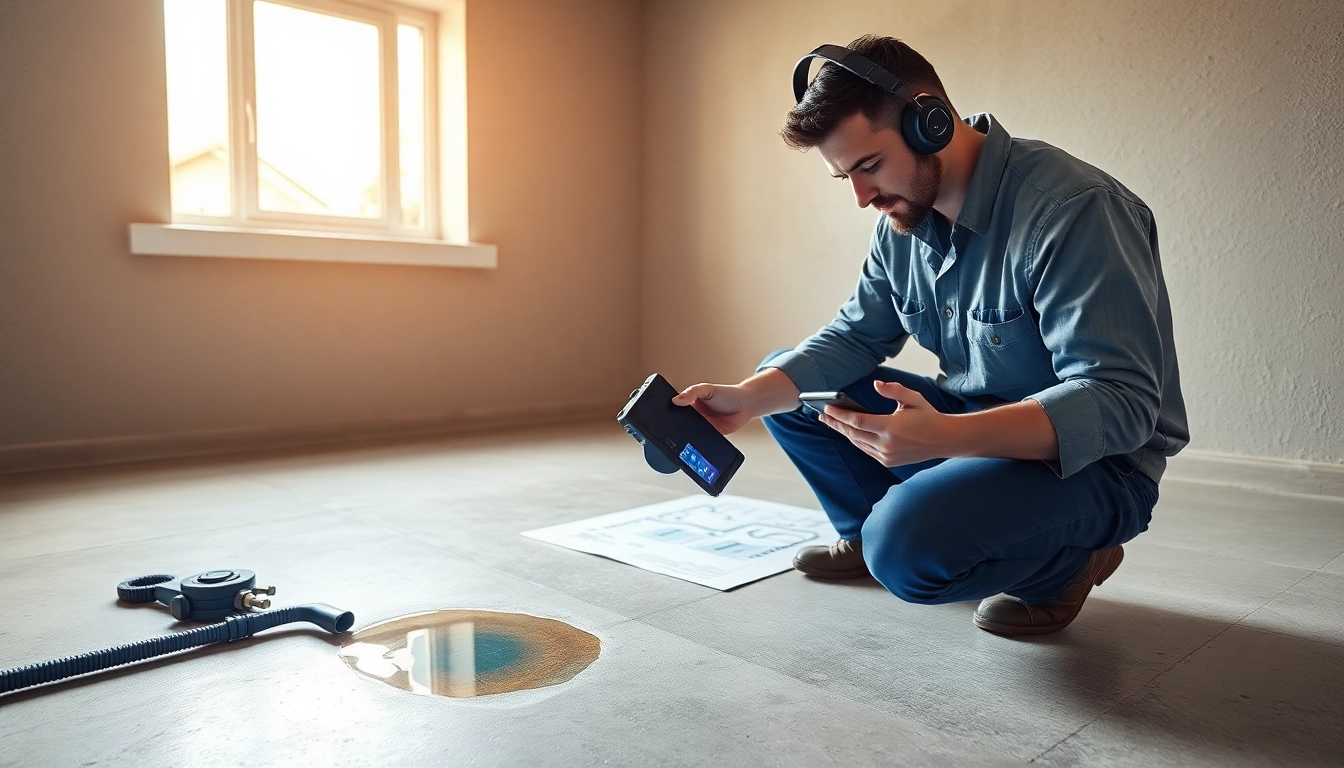
Understanding Leaks in Concrete Floors
When homeowners discover a leak in concrete floor, it often signals a serious plumbing issue that requires immediate attention. These leaks can go unnoticed for extended periods, leading to significant damage and costly repairs if left unabated. This article delves into the phenomenon of leaks in concrete floors, particularly focusing on slab leaks, their causes, detection, repair methods, and preventive measures.
What is a Leak in Concrete Floor?
A leak in a concrete floor typically refers to water escaping from plumbing pipes located beneath the concrete slab of a home. This situation often arises from issues such as corrosion, deterioration of the pipe material, or poor installation practices. Commonly found in homes built on slab foundations, these leaks can lead to pooling water, increased utility bills, and even structural damage if not resolved promptly.
Common Causes of Concrete Floor Leaks
- Pipe Corrosion: Over time, pipes made from copper or other materials can corrode due to factors like water composition and environmental conditions.
- Soil Shifts: Ground movement caused by settling or natural disasters can put stress on pipes, leading to cracks and leaks.
- Improper Installation: Poorly installed plumbing systems may have joints or fittings that are not secure, increasing the likelihood of leaks.
- Temperature Fluctuations: Extreme changes in temperature can cause materials to expand and contract, leading to pipe failure.
Signs You May Have a Slab Leak
Identifying a slab leak early is crucial in preventing damage. Look for these signs:
- Unexplained increases in water bills.
- Warm spots on the floor, indicating hot water leaks.
- Moisture or mold growth on walls or baseboards.
- Pooling water around the foundation of your home.
- Cracks in the concrete flooring.
Detecting a Leak in Concrete Floors
Detecting a leak in a concrete floor can be challenging due to the hidden nature of plumbing systems beneath the slab. Effective detection techniques can save homeowners from unnecessary repairs and costs.
Advanced Leak Detection Technologies
Professional leak detection services utilize advanced technology to accurately locate leaks without causing damage. Here are some of the methods used:
- Pressure Testing: This method monitors pressure changes in specific sections of piping to identify leaks.
- Thermal Imaging: Thermal cameras detect temperature variations that may indicate a leak.
- Acoustic Detection: This technique uses sensitive equipment to listen for water escaping from pipes.
- Tracer Gas Detection: A non-toxic gas is introduced into the pipe system, and its escape point is traced to identify leaks.
DIY Methods to Find Leaks
For those who prefer a hands-on approach, there are a few DIY methods to detect leaks:
- Check for damp or wet areas on the floor.
- Listen for sounds of running water when all water fixtures are off.
- Look for any noticeable changes in your water pressure.
When to Call a Professional
If you suspect a leak but cannot locate it, it is advisable to consult a professional leak detection service. They have the expertise and equipment needed to identify leaks efficiently and accurately, minimizing the risk of further damage to your property.
Repairing a Leak in Concrete Floors
Once a leak is detected, prompt repair is essential. Various methods are available depending on the location and severity of the leak.
Traditional Repair Techniques Explained
Traditional methods typically involve breaking up the concrete slab to access the pipes. The following are common approaches:
- Breaking and Jackhammering: This method requires removing concrete around the leak for direct access.
- Pipe Replacement: Damaged pipes are removed and replaced with new ones to resolve the leak.
Innovative Approaches for Non-Invasive Repairs
Advancements in technology have led to less invasive repair methods:
- Pipe Lining: This technique involves inserting a liner into the damaged pipe, creating a new pipe within the old one.
- Pipe Bursting: Here, a new pipe is pulled through the old one, breaking it apart without the need for extensive excavation.
Costs Associated with Concrete Floor Leak Repairs
The costs of repairing a leak in a concrete floor can vary significantly based on several factors, including:
- Location and extent of the leak.
- Repair method used.
- Labor costs in your area.
Typically, homeowners can expect to pay anywhere from a few hundred to several thousand dollars for comprehensive repair work.
Preventative Measures to Avoid Future Leaks
Preventing future leaks in concrete floors is vital for maintaining the integrity of your plumbing system. Here are effective strategies:
Insulating Pipes: A Key to Prevention
Properly insulating your plumbing pipes can help prevent corrosion and damage caused by temperature extremes. Ensure that all pipes, especially those under concrete, are insulated adequately.
Regular Maintenance Checks
Scheduling regular maintenance checks with a plumbing professional can help identify potential issues before they develop into significant problems. This proactive approach can save homeowners time and money in the long run.
Identifying Environmental Risks
Be aware of environmental factors that may increase the risk of leaks, such as soil conditions and ground movement. Taking steps to mitigate these risks can help protect your home from costly repairs.
Future Trends in Leak Detection and Repair
The plumbing industry is rapidly evolving, and new technologies are emerging that promise to enhance leak detection and repair efficiency.
Emerging Technologies in Plumbing
Technologies like AI-driven diagnostics and drones for inspecting hard-to-reach areas are becoming more prevalent, which can lead to quicker and more accurate leak detection.
The Growing Role of Smart Home Systems
Smart home technology is making it easier for homeowners to monitor their plumbing systems continuously. Automated leak detectors can alert homeowners of leaks in real time, allowing for immediate action.
Expected Innovations in Leak Detection by 2025
By 2025, we can expect to see more streamlined technologies focusing on sustainability and cost-effectiveness. Innovations may include improved software for predictive analytics, helping identify potential leak sources before they become critical issues.